Alpha-Gal Syndrome and Tick Bites: What You Should Know
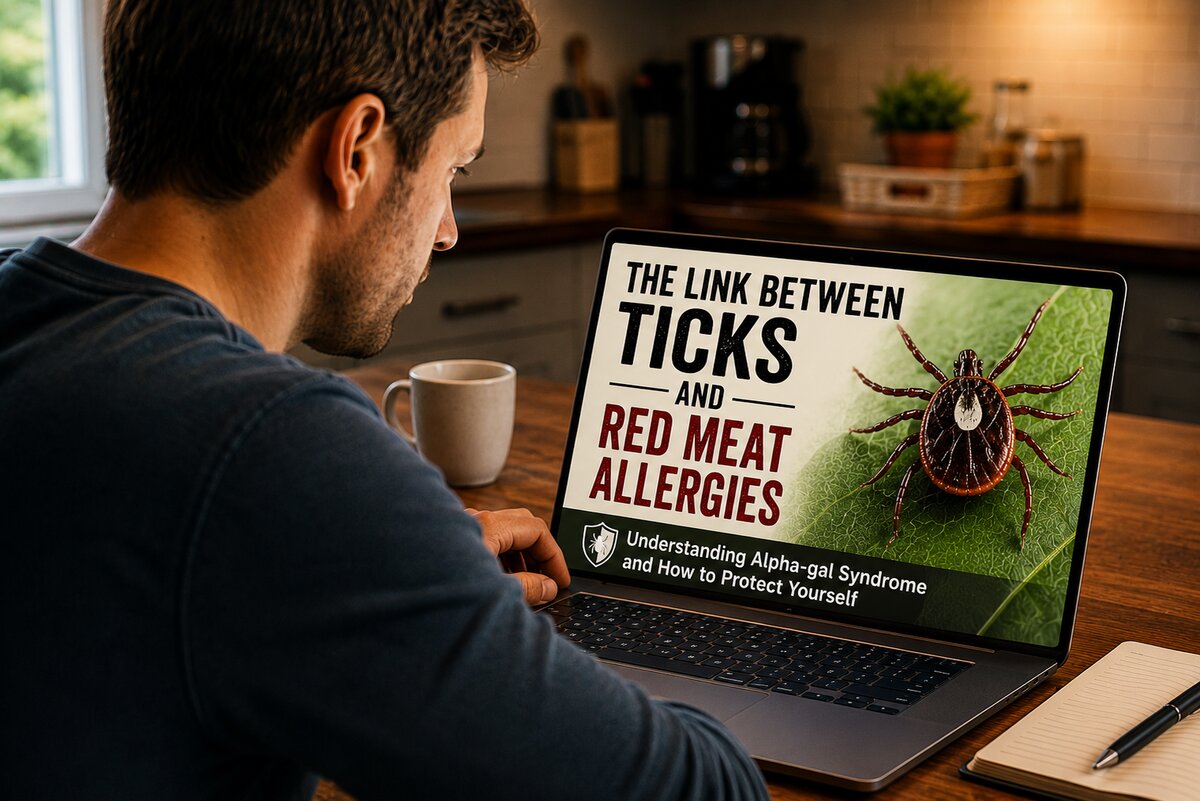 Most people think tick bites are simply an annoying part of spending time outdoors.
But in recent years, more people have started talking about a condition called Alpha-Gal Syndrome (AGS)—a potentially serious allergy linked to certain tick bites that can trigger reactions to red meat and some animal products.
For people who spend time outside camping, hiking, hunting, gardening, working property, or even just mowing the yard, tick exposure is becoming a growing concern in many parts of the country.
And while preparedness often focuses on major emergencies and disasters, sometimes the smaller everyday risks deserve attention too.
What Is Alpha-Gal Syndrome?
Alpha-Gal Syndrome is believed to be most commonly connected to bites from the Lone Star tick.

Unlike many traditional food allergies, reactions associated with AGS can sometimes occur several hours after eating red meat. That delay can make the condition difficult to recognize at first.
Some commonly reported symptoms include:
- Hives
- Stomach pain
- Nausea
- Digestive issues
- Fatigue
- Allergic reactions that can become severe in some cases
Of course, this article is not medical advice. If you believe you may be experiencing symptoms or have concerns about Alpha-Gal Syndrome, you should speak with a medical professional.
So let’s talk about is prevention. Because avoiding tick bites in the first place is extremely important.
Why Tick Exposure Matters
Ticks thrive in areas with:
- Tall grass
- Heavy brush
- Leaf litter
- Wooded trails
- Overgrown property edges
Ticks often wait on the tips of grass and vegetation and attach to people or animals as they pass by.
If you spend time outdoors regularly, reducing exposure becomes part of basic outdoor preparedness.
Simple Ways to Reduce Tick Exposure
First, stay clear of heavy vegetation when possible.
When hiking or walking trails, try to stay toward the center of the path whenever possible. Brushing against tall grass and overgrowth increases the chances of ticks attaching to clothing or gear.
Next, wear protective clothing. Clothing choices can make a difference. Long sleeves, long pants, and light-colored clothing can help reduce skin exposure while also making ticks easier to spot before they attach.
Some outdoor enthusiasts and property owners also use permethrin-treated clothing for additional protection.
What Is Permethrin?
Permethrin is an insect repellent treatment designed for clothing and gear—not for direct application to skin.
It’s commonly used on:
- Pants
- Boots
- Socks
- Jackets
- Backpacks
- Outdoor gear
- Tents
The idea is simple: if ticks come into contact with treated material, the permethrin helps repel or kill them before they can attach.
Many outdoor stores sell permethrin sprays specifically designed for clothing and equipment. If using these products yourself, it’s important to carefully follow the product instructions and allow treated clothing to fully dry before wearing it.
For people who spend a lot of time outdoors—especially in heavy tick areas—it has become one of the more common prevention methods.
Do Tick Checks Every Time
One of the most important habits is performing tick checks after spending time outside.
Carefully inspect:
- Clothing
- Gear
- Pets
- Yourself
Ticks are often very small, and many people don’t notice them immediately.
Showering after outdoor activity may also help remove ticks before they become attached.
And don’t Forget About Pets! Dogs especially can bring ticks into the home after being outdoors. Keeping pets protected with appropriate tick prevention measures is another important step in reducing exposure around the house.
Reduce Tick Habitat Around Your Home
Property maintenance can also help reduce tick activity around your home.
Some helpful steps include:
- Keeping grass cut short
- Clearing heavy brush
- Removing leaf buildup
- Trimming overgrown edges near walking areas
Reducing areas where ticks thrive can lower the chances of exposure for both people and pets.
Final Thoughts
Preparedness is not always about dramatic disasters or major emergencies. Sometimes it’s simply about recognizing smaller risks before they become much larger problems. And when it comes to ticks and Alpha-Gal Syndrome, a little prevention can go a long way.
Stay safe out there!!

 |
Prepper News Wire
All the newest prepper articles and videos from across the internet in one place.
|
CLICK HERE → |
Follow Plan and Prepared on various social media platforms for practical tips, new content, and real-world preparedness advice. Stay Safe Out There!


Get practical, no-nonsense preparedness tips, new articles and videos, plus free resources like the 72-Hour Emergency Checklist.
No selling. No sharing. No spam. Ever.
-

By: James L
A former outdoor survival instructor, I am a retired deputy sheriff who worked in a suburb of Oklahoma City. I was the operational commander of a multi-jurisdictional, multi-agency warrant task force. We specialized in locating and arresting dangerous and violent criminals. I was also a member of the USMS fugitive task force for 2 years. James has over 25 years experience in law enforcement, and is also a certified police trainer.
-
-
How to know when it is time to bug out (Updated)
6 Mistakes That Can Make You a Target During SHTF
Grey Man Strategy: Why Blending In Could Save Your Life
DIY Charcoal Water Filter: Emergency Filtration (Step-by-Step Guide)
Power Grid Failure: What You Need to Know